


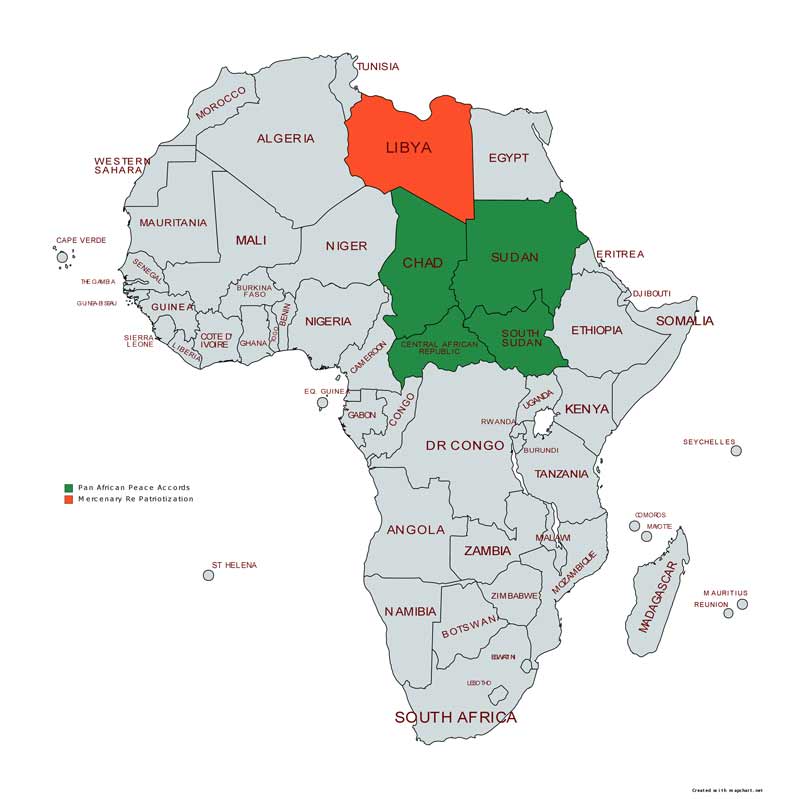
Due to the fact that many of the same tribes live in separate countries, there is a need for a cross boarder Pan African Peace Accords that will include all of the stakeholders in the surrounding countries. We are optimistic that a framework for Pan African Peace can be achieved as a model to spread peace across the continent. World Peace Tracts is working to facilitate a framework for peace talks that will result in a more durable peace across the region.
The challenge is always special interest who make money on war death and instability, normally so that they are able to rob the country of its resources without oversight or fair payment.
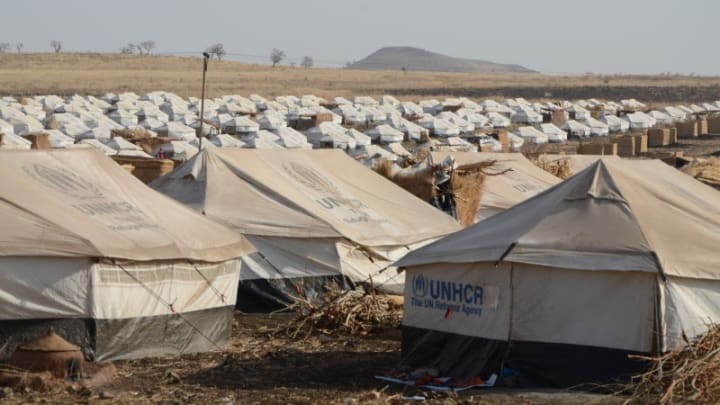 The situation in West Darfur State is calm, with life gradually returning to normal. There are tensions, however, that require long-term peacebuilding and community reconciliation.
Whilst humanitarians are responding to the urgent needs there are shortages of funds which could lead to the suspension of support to several health facilities. The existing capacities are not sufficient to cope with the caseload. With the rainy season approaching, scaling up given current capacity limitations can prove to be a major challenge.
According to the International Organization for Migration (IOM), in the first four months of 2021 close to 237,000 people were displaced by conflict in Darfur – more than four times the 58,000 people displaced by conflict in 2020 – creating a significant increase in new needs.
Due to the political situation in neighboring Chad, poses a risk of a potential influx of Chadian refugees into North, Central, and West Darfur states.
C
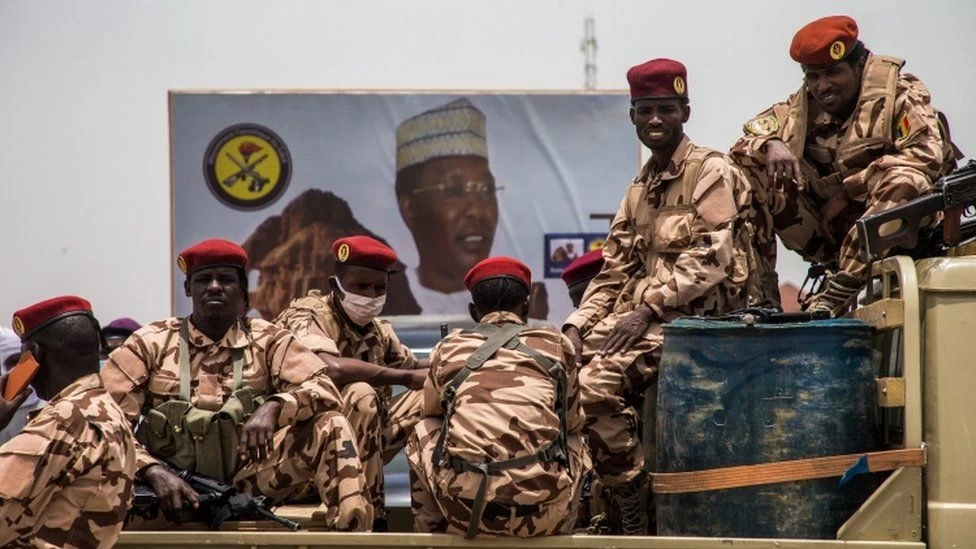
had has been in a state of almost constant instability and protracted conflict since achieving independence in 1960. It experiences recurrent political violence which revolves around contestation for power during and after elections and recurrent attempted coups. Ethnic and religious rivalries, as well as socio-economic crisis, further intensify the ongoing political grievances throughout the country. In addition, Chad is surrounded by conflicts from neighboring countries. Conflict dynamics in these neighboring countries exacerbates internal crises in Chad, making the conflict-prone country vulnerable to both national and regional instabilities.
 Due to violence, South Sudan is currently facing its worst food crisis on record: an estimated 30,000 people are living in famine-like conditions and more than 7 million people face severe food insecurity. The mid-2021 lean season is projected to be the worst ever in terms of severity, with 1 million more people in acute food insecurity comparing to the same period last year. Malnutrition remains a major public health emergency, with more than 1.8 million children and pregnant and breastfeeding women expected to be acutely malnourished in 2021 – the highest number in 3 years.
A United Nations report warns that the slow implementation of a revitalised peace accord in South Sudan risks pushing the country back into a “large-scale conflict”. Political, military and ethnic divisions in South Sudan are widening, leading to multiple violent incidents between the main signatories to last year’s ceasefire, the possibility of renewed war, and nearly 100,000 people facing “famine-like conditions”, it said.
In February 2020, South Sudan formed a transitional government of national unity to leave 6 years of civil war behind. However, progress in the implementation of the peace agreement has been slow. A spike in violence caused over 2,400 civilian deaths in 2020, more than double the previous year. Conflict, insecurity and natural hazards have displaced nearly 4 million people since 2013, with many forced to flee multiple times. An estimated 1.6 million people are internally displaced, while an additional 2.2 million are refugees in neighboring countries.
With some of the largest most fertile agricultural lands as well as mineral resources, South Sudan and Sudan is in immediate need of investment to produce food and once again become the breadbasket of the world.

New CAR refugees are being transferred to Gado refugee site ; Since the end of December, 5,000 Central African refugees have crossed the Cameroonian border in search of safety after the resurgence of violence which affected the Central African Republic following the presidential elections.[/caption]
The Central African Republic’s prime minister, Firmin Ngrebada, and entire cabinet have resigned. The political crisis comes as France announced it would suspend military operations in the country (Al Jazeera).
Over 240,000 people have been internally displaced by the increase in violence since mid-December, including 117,000 people who remain displaced as their villages and towns are still unsafe. Nearly 110,000 refugees have fled to Democratic Republic of Congo (DRC), Chad, Cameroon, and Republic of Congo (OCHA last accessed 08/02/2021; UNHCR 16/02/2021).
New refugees are mostly arriving in areas that are already hosting CAR refugees from previous displacements. In these areas, the local population already has unmet needs. Beyond specific needs related to existing conditions in host areas, newly arrived refugees require protection assistance, especially in terms of child protection, sexual and gender-based violence, and documentation.
HUMANITARIAN CONSTRAINTS
Humanitarian access is difficult in CAR because of poor road conditions and insecurity. The upcoming rainy season is likely to cut off road access to some refugee-hosting areas in DRC and deteriorate roads in CAR. Likouala department in Republic of Congo, which hosts arrivals from CAR, is still suffering from the effects of flooding from the second half of 2020.

Libya’s prime minister-designate demanded the departure Tuesday of an estimated 20,000 foreign fighters as he sought support from lawmakers to help end a grinding civil war in the North African nation.
Oil-rich Libya descended into chaos after dictator Moamer Kadhafi was toppled and killed in a 2011 NATO-backed uprising, resulting in multiple forces vying for power.
“The mercenaries are a stab in our back — they must leave,” interim premier Abdul Hamid Dbeibah told parliament, saying he would contact the United Nations and the countries where the mercenaries come from to demand they withdraw.
The problem is that many of these mercenaries were recruited from Sudan and other African nations are now stuck in the south east corner of Libya without a safe passage home. They are also victims of war and conflict, recruited from desperate poverty to go fight someone else’s war thousands of miles for as little as $1000. a month, while the recruiter is getting $10,000. a month or more for each recruit. Many have been trained in wealthy third countries prior to dispatching to Libya. The mercenaries are caught up in a conflict of International pressure mounting for them to leave, and their home countries refusing to repatriate them.
repatriotization and assimilation
Is to provide a mechanism that facilitates the safe repatriotization and assimilation back into their home countries.

Salva Kiir Mayardit (born 13 September 1951), also known as Salva Kiir, is a South Sudanese politician who has been President of South Sudan since its independence in 2011.
Osman Hussein is a Sudan politician who has served as acting prime minister of Sudan since 19 January 2022, following the resignation of Abdalla Hamdok on 2 January.
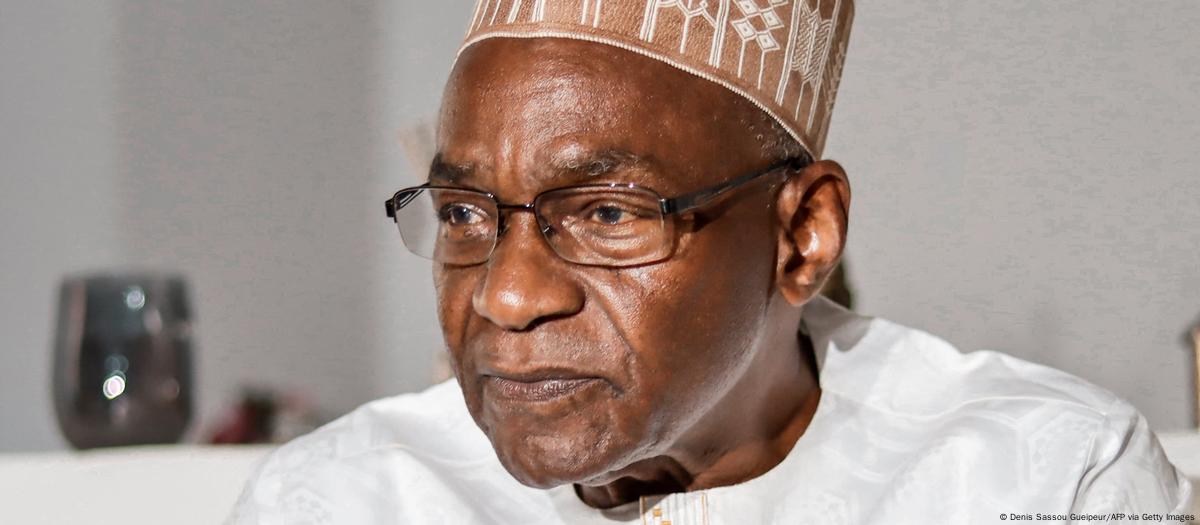
Saleh Kebzabo named as Chad's new prime minister 10/12/2022October 12, 2022 The ex-opposition politician and former journalist replaces Albert Pahimi Padacke, who was appointed after President Mahamat Idriss Deby seized power in the wake of his father's death

Henri Marie Dondra named Central African Republic prime minister Former finance minister was appointed prime minister a day after Firmin Ngrebada announced his resignation.